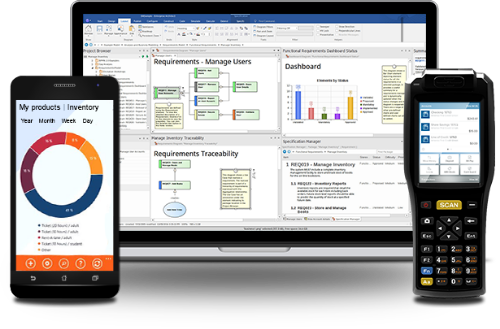
Warehouse management system (WMS) software has become an essential tool for businesses in efficiently managing and organizing their inventory and warehouse operations. It serves as a vital component of supply chain management as it enables businesses to streamline their processes, improve accuracy, and enhance overall productivity. With the increasing complexity of modern warehouses, the need for advanced software solutions has become more critical than ever before.
Warehouse management system software offers a wide range of features and functionalities that enable businesses to effectively manage tasks such as receiving, put-away, picking, packing, and shipping of goods. It provides real-time visibility into inventory levels, location tracking, and helps optimize storage space. Furthermore, WMS software integrates seamlessly with other systems such as enterprise resource planning (ERP), transportation management, and order management systems, ensuring seamless flow of information and improving operational efficiency. In this article, we will explore the key benefits and features of warehouse management system software, and how it can revolutionize the way businesses manage their inventory.

Benefits of Using a Warehouse Management System (WMS)
A warehouse management system (WMS) software can provide numerous benefits for businesses that rely on efficient warehouse operations. One key advantage is improved inventory management. With a WMS, businesses can accurately track inventory levels, locations, and movements in real-time. This helps prevent stockouts, avoid overstocking, and streamline order fulfillment processes.
Warehouse management system (WMS) software also enables businesses to enhance their overall operational efficiency. By automating various warehouse tasks, such as receiving, picking, and packing, businesses can reduce manual errors, optimize labor allocation, and minimize processing times. Additionally, a WMS can provide valuable data and analytics, allowing businesses to make informed decisions about warehouse operations and identify areas for improvement.
In conclusion, warehouse management system (WMS) software is a crucial tool for businesses looking to efficiently manage their inventory and warehouse operations. This software offers a wide range of features and functionalities that streamline processes, improve accuracy, and enhance overall productivity. It allows businesses to effectively manage tasks such as receiving, put-away, picking, packing, and shipping of goods, while providing real-time visibility into inventory levels and location tracking. Integration with other systems ensures seamless flow of information and improves operational efficiency. Ultimately, a WMS can revolutionize the way businesses manage their inventory, leading to improved inventory management, enhanced operational efficiency, and informed decision-making.